
Parkinson’s disease
What is Parkinson’s?
It is a progressive neurological condition that affects nerve cells in the brain that control movement. Parkinson’s symptoms appear gradually, sometimes over years, and slowly become more pronounced. For many people, the most obvious symptoms are those affecting movement (motor symptoms), but for others, the most bothersome and worrying symptoms are non-motor ones.
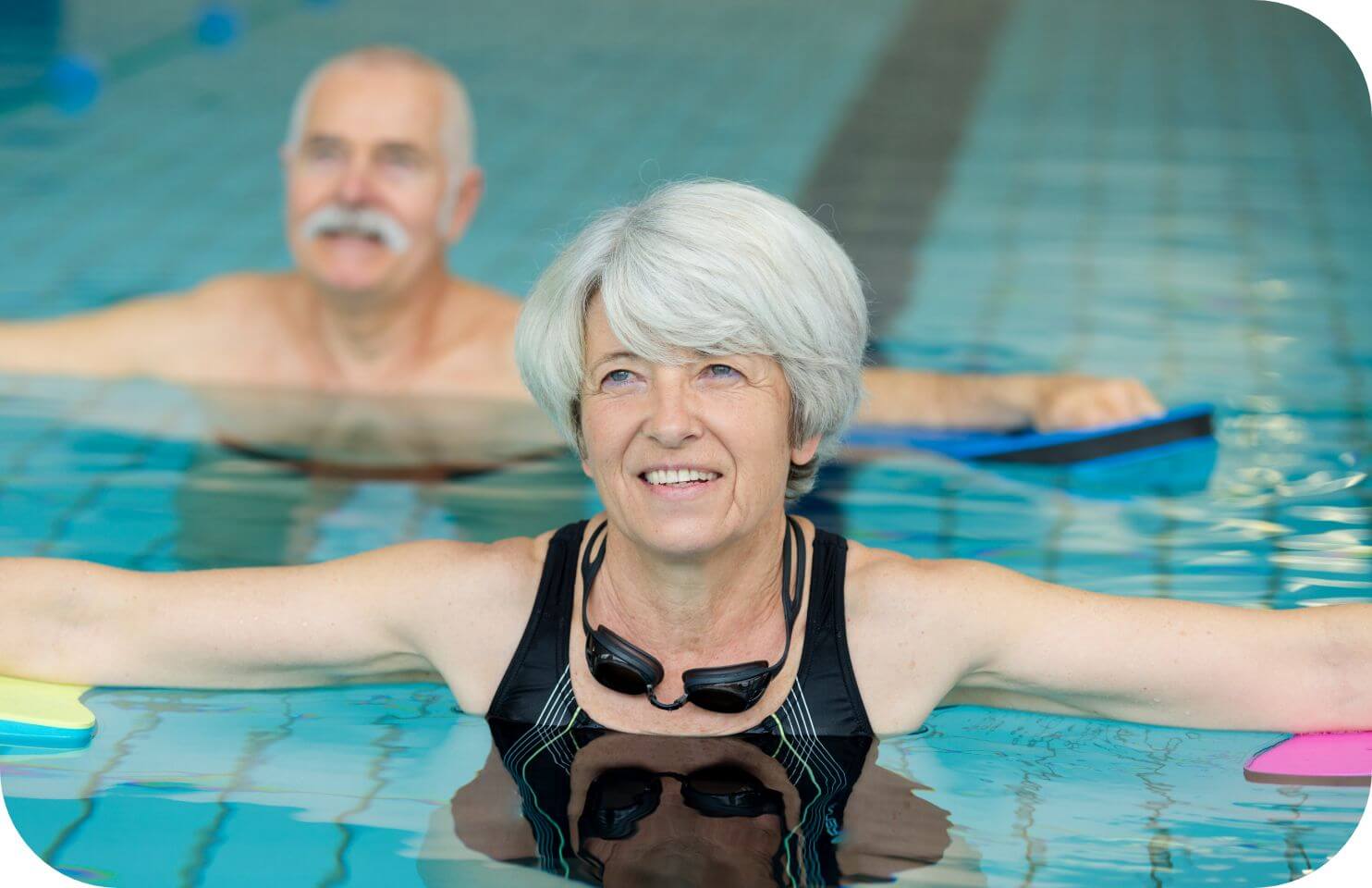
Parkinson’s is life-altering but not life-threatening
For many people, the most obvious symptoms are those affecting movement (“motor symptoms”), but for others the most bothersome and worrying symptoms are non- motor ones. Our movements are controlled by nerve cells (neurons) in the brain that pass messages to one another and to the rest of the body, using chemicals called neurotransmitters. One of the neurotransmitters that controls movement is dopamine. People with Parkinson’s don’t have enough of the chemical dopamine because some of the nerve cells that make it have died. While dopamine is the main neurotransmitter involved, other neurotransmitters are also involved. This may explain why simply replacing dopamine does not necessarily result in improvement. It may also help to explain why so many people with Parkinson’s also experience non-motor symptoms.
Is Parkinson’s common?
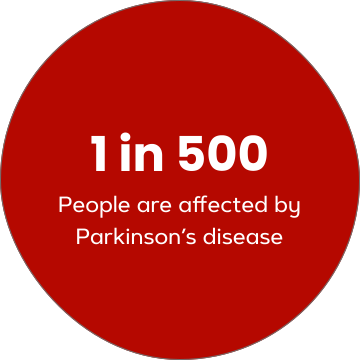
Parkinson’s is the fastest growing neurological condition in the world, and currently there is no cure. Men are slightly more likely to get Parkinson’s disease than women.
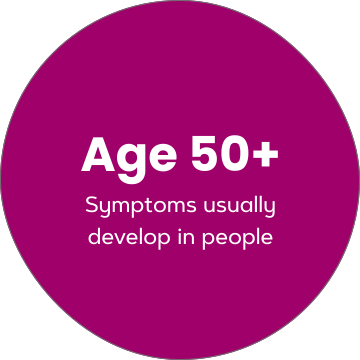
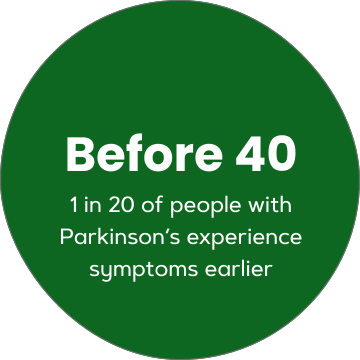

Being diagnosed with Parkinson’s can be confusing and very upsetting – but it is not the end of the story
Although at present there is no cure for Parkinson’s, a considerable amount of research is being carried out in search of one. Maintaining a positive attitude and being physically active slow down and may well improve the progression of symptoms and are things that can be done to positively influence the course of the condition, enhance the quality of life and help with staying in control.
What causes Parkinson’s?
People with Parkinson’s don’t have enough of the chemical dopamine because some of the nerve cells that make it have died.

Why is this?
It is not yet known exactly why people get Parkinson’s, but researchers think it’s a combination of age, genetic and environmental factors that cause the dopamine-producing nerve cells to die.
The nerve cells that die and lead to the development of Parkinson’s produce a chemical known as dopamine. Dopamine helps transmit messages to the parts of the brain that co-ordinate movement. When dopamine-producing nerve cells are lost, these parts of the brain are unable to work normally. Dopamine levels continue to fall over many years. As a result, symptoms develop further and new symptoms appear.
Is Parkinson’s Hereditary?
It is very rare for Parkinson’s to be passed on to the children of those with the disease. Current research indicates that only a very small number of people have an increased risk of Parkinson’s linked to their genes.
What other factors might be involved?
Some researchers believe toxins and other environmental factors may cause dopamine-producing neurons to die, resulting in the development of Parkinson’s.
For example, there has been speculation that there may be a link between the use of herbicides and pesticides and the development of Parkinson’s.
What are the symptoms?
There are many potential symptoms of Parkinson’s. The symptoms differ from person to person.
Parkinson’s motor symptoms
- A tremor or rhythmic involuntary shaking that occurs in a finger, hand or limb when it is relaxed
- A decrease in normal voluntary movement, for example, walking more slowly or decreased facial expression
- Muscle stiffness.
The most common motor or movement symptoms
Not everyone with Parkinson’s experiences all three motor symptoms. There may be other motor symptoms, including difficulties with balance and coordination, for example, shuffling when walking.
Non-motor symptoms
- Depression and anxiety – treatment can involve self-care measures such as exercise, psychological therapy or medication;
- Problems sleeping (insomnia) – improvement can be achieved by changing the normal bedtime routine;
- Erectile dysfunction – medication can be used to treat this;
- Excessive sweating (hyperhidrosis) – a prescription antiperspirant may reduce this. Alternatively, in severe cases, treatment may involve surgery;
- Swallowing difficulties (dysphagia) – eating softened food can improve this. Alternatively, in more severe cases, a feeding tube may be used;
- Excessive drooling – swallowing exercises can improve this. Alternatively, in more severe cases, surgery or medication may be used;
- Urinary incontinence – exercises to strengthen the pelvic floor muscles can be used to treat this. Alternatively, in severe cases, medication or surgery may be used;
- Dementia – in some cases this can be treated with cognitive therapies and medication.
There are many potential other symptoms
There is a wide range of additional symptoms, beyond those concerned mainly with movement, which a person with Parkinson’s may experience. These may need to be treated separately.
Non-motor symptoms can affect every system in the body and again vary from person to person. These can include low blood pressure, constipation, sexual problems, mood changes such as apathy, depression, compulsive behaviour, addiction, seeing things that aren’t there and memory problems. There may be other physical changes affecting sleeping, the sense of smell, the ability to speak and swallow and causing pain. Some of the non-motor symptoms and the treatments employed are listed on the left.
How does Parkinson's progress?
Parkinson’s affects everyone differently in terms of symptoms and how quickly the condition develops. It may take years for the condition to progress to a point where it has a significant impact on daily life.
How Parkinson’s affects someone can also change from day to day and even from hour to hour. Symptoms that are noticeable one day may not be a problem the next.
Is it possible to die from Parkinson’s?
Most patients die with Parkinson’s Disease and not from it. Any long-term condition, such as Parkinson’s can give rise to symptoms that make people more susceptible to a greater disability or poor health. While the disease isn’t fatal, related complications can reduce life expectancy, currently estimated to be 1 to 2 years. It is therefore so important to do all one can, with the help of the experts, to control the condition.

Stay in control
People with Parkinson’s can lead active and fulfilling lives. Understand the effects of Parkinson’s and learn how to work around it.
Treating Parkinson’s

You are not on your own
Parkinson’s Guernsey can provide support, both to the person with Parkinson’s and to others affected by it including wives, husbands, families and carers.